In a world where travel plans can go hilariously awry, the concept of self-deportation flights might just take the cake. Imagine boarding a plane not for a tropical vacation but to return home, all while wearing your best “I’m not lost, just exploring” smile. For many, the U.S. self-deportation flights to Honduras represent a quirky yet serious solution to immigration challenges.
Overview of US Self-Deportation Flight Program
Self-deportation flights from the U.S. to Honduras present a unique approach to immigration challenges. These programs allow individuals seeking to return voluntarily to their home country. Participation in these flights typically occurs within a structured framework that addresses the needs of those who choose this option.
Individuals engaging in the self-deportation flight program often express a mix of emotions. Many appreciate the opportunity to return home, while others confront the complexities of their circumstances. Flights primarily target communities with high numbers of undocumented immigrants, facilitating a smooth transition back to original locations.
Operational aspects include scheduling departures, processing paperwork, and providing necessary support throughout the journey. Coordinating agencies ensure that passengers receive assistance and information before and during travel. Flights serve as an effective alternative to traditional deportation methods, emphasizing voluntariness.
Costs associated with these flights often remain subsidized by various organizations or the government. Funding mechanisms aim to alleviate financial burdens on participants. Attention to this aspect encourages greater involvement in such programs.
Community feedback reflects a positive reception of self-deportation flights. Success stories demonstrate the initiative’s effectiveness in reuniting families and reintegrating individuals in Honduras. Overall, the self-deportation flight program contributes to broader immigration solutions while prioritizing individual choices and circumstances.
Background on Honduras Migration Issues
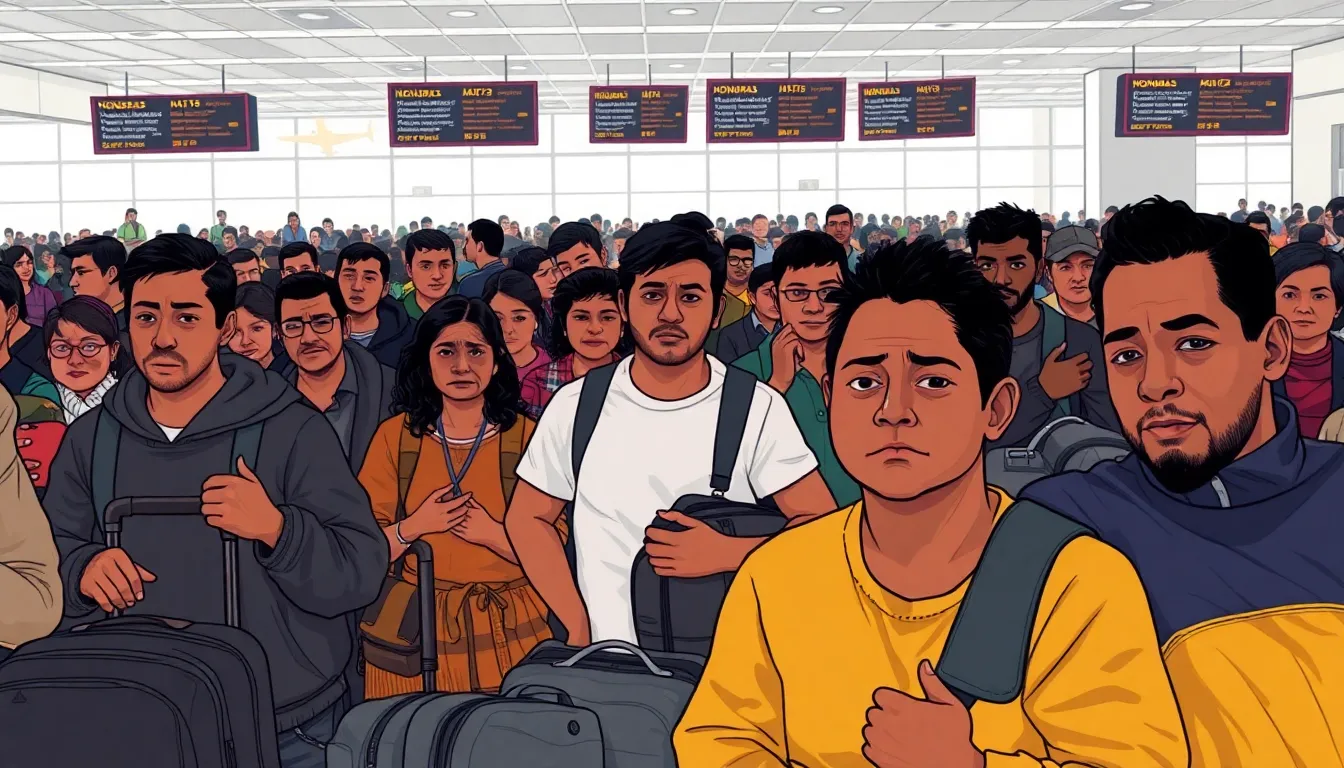
Honduras faces significant migration challenges, forcing many citizens to seek better opportunities abroad. People often leave due to economic hardships, gang violence, and lack of access to education and healthcare.
Historical Context
Honduras has a long history of migration that stems from political instability and natural disasters. Civil wars in the 1980s created waves of refugees fleeing to neighboring countries. In the late 1990s, Hurricane Mitch devastated the nation, exacerbating poverty and displacement. These events pushed many to venture northward, where they sought safety and job prospects in the United States.
Current Trends
Recent years show a sharp increase in migration from Honduras, primarily driven by violence and economic instability. As of 2022, nearly 250,000 Hondurans sought asylum or entered the U.S. illegally. Many individuals and families embark on dangerous journeys to escape gang violence and poverty. Recent programs responding to these issues emphasize humanitarian assistance, aiming to address the root causes of migration. Agencies have reported heightened interest in self-deportation flights, creating opportunities for voluntary returns while addressing immediate concerns in communities.
The US Self-Deportation Flight Process
The self-deportation flight program offers a structured way for individuals to return to Honduras voluntarily. This initiative provides support during the journey, addressing various needs of participants.
Eligibility and Requirements
Individuals participating in the program must meet specific criteria. They must be undocumented immigrants residing in the U.S. Additionally, they should express a willingness to return to Honduras voluntarily. Age restrictions may also apply, as children must travel with a parent or guardian. Prior interactions with immigration authorities can influence eligibility. Documentation proving identity is essential for processing. Overall, the program aims to create opportunities that emphasize individual choice while facilitating a smooth transition.
Flight Logistics and Operations
The logistics of the self-deportation flights focus on efficiency and support. Agencies coordinate schedules to accommodate travelers, ensuring timely departures. Participants receive assistance with paperwork and their travel arrangements. Airport personnel aid in the boarding process, making it user-friendly. Flights are often subsidized to reduce costs, relieving participants of financial strain. Reintegration programs in Honduras are connected to these flights, offering support upon arrival. Collaborating agencies work to ensure a seamless experience from departure to arrival, addressing participant needs throughout the entire process.
Impacts on Families and Communities
The self-deportation flight program significantly affects families and communities in Honduras and the U.S. Emotional and economic implications intertwine, shaping the experiences of those involved.
Emotional and Psychological Effects
Families face a mix of relief and sorrow during self-deportation processes. Anxiety surrounds the uncertainty of returning home, creating emotional turmoil among participants. Reuniting with loved ones often brings joy but can also lead to feelings of loss for the life left behind. Children experience heightened stress, trying to adjust to a new social environment. Mental health resources become essential for individuals coping with transition challenges. Support networks help families address feelings of isolation or grief, facilitating stronger bonds upon return.
Economic Consequences
Economic ramifications shape communities affected by self-deportation flights. Returning individuals often find limited job prospects in Honduras, exacerbating existing economic challenges. Families lose income sources when primary earners depart for the U.S., intensifying financial strain on those remaining. Overall community economies may see temporary boosts through remittances, yet these effects can diminish as families relocate. Access to resources impacts reintegration success, with many facing obstacles in obtaining employment or education. Local job markets struggle to absorb returning individuals, leaving many navigating unemployment or underemployment.
Government and Policy Responses
Government policies significantly shape the landscape of self-deportation flights from the U.S. to Honduras. Many agencies collaborate to facilitate the logistics of the program, ensuring smooth operations for participants. These flights often reflect a broader humanitarian approach, targeting communities with heightened undocumented immigration.
Policies surrounding these flights focus on voluntary returns, allowing individuals to navigate the complexities of their situations with dignity. Financial assistance plays a critical role. Subsidized flights reduce costs for participants, making the decision to return home more feasible.
Supportive measures extend beyond transportation. Reintegration initiatives link to these flights, offering essential resources upon arrival in Honduras. Community feedback highlights these programs’ efficiency in helping families reconnect and resettle successfully.
Government efforts also address the underlying challenges in Honduras. Economic hardships, gang violence, and limited access to education remain critical concerns impacting migration trends. Recent data indicates nearly 250,000 Hondurans sought asylum or entered the U.S. unlawfully in 2022. Responses to these challenges emphasize humanitarian assistance, fueling interest in voluntary return programs.
Emotional considerations factor into policy development. Families experience an array of feelings during the self-deportation process, from relief to anxiety. Efforts to provide mental health resources are essential, especially for children adjusting to new environments.
Overall, these policies reflect a balancing act. Aiming to alleviate immediate community concerns while addressing the long-term goals of reintegration and stability in Honduras fosters ongoing cooperation and thoughtful responses to immigration challenges.
The self-deportation flight program offers a unique solution to the complex issues surrounding immigration. By providing a structured and supportive framework for voluntary returns to Honduras, it addresses immediate needs while fostering long-term stability. Participants navigate a blend of emotions as they transition back to their homeland, highlighting the human aspect of migration.
As communities continue to grapple with the challenges of undocumented immigration, this program stands out for its humanitarian approach. It not only facilitates the journey home but also connects individuals with reintegration resources, ultimately aiming to create a smoother path for those returning. The positive feedback and success stories reflect the program’s potential impact, making it a noteworthy component of broader immigration solutions.