Egg drop soup might just be the unsung hero of the culinary world. With its silky texture and comforting warmth, it’s a dish that’s both simple and satisfying. But as delicious as it is, many find themselves wondering: how many calories are lurking in that bowl of golden goodness?
Overview of Egg Drop Soup
Egg drop soup features a light and flavorful broth, often made from chicken stock. This dish includes beaten eggs, which create velvety ribbons when cooked. Typically, egg drop soup incorporates cornstarch for thickening, adding a slight gloss to the consistency. Additional ingredients, such as green onions and tofu, enhance its nutritional value.
Calorie counts for egg drop soup can vary based on ingredients used. On average, a cup of homemade egg drop soup contains approximately 60 to 80 calories. Store-bought versions may differ, especially those with added fats or preservatives. Individuals looking for a low-calorie option should consider making the soup at home, as this allows for ingredient control.
Nutrition plays a key role in the appeal of egg drop soup. The soup is low in calories, making it a suitable choice for those watching their intake. Eggs contribute protein and nutrients, while broth offers hydration. This combination supports a balanced diet without excessive calories.
Hearty and satisfying, egg drop soup serves as a delicious starter or a light meal. A bowl can complement a more extensive Asian cuisine spread seamlessly, bringing warmth and comfort. Variations may contain vegetables or spices, modifying the flavor profile while maintaining a similar calorie count. Ultimately, egg drop soup remains a staple in many households, appreciated for its flavor and nutritious benefits.
Nutritional Composition
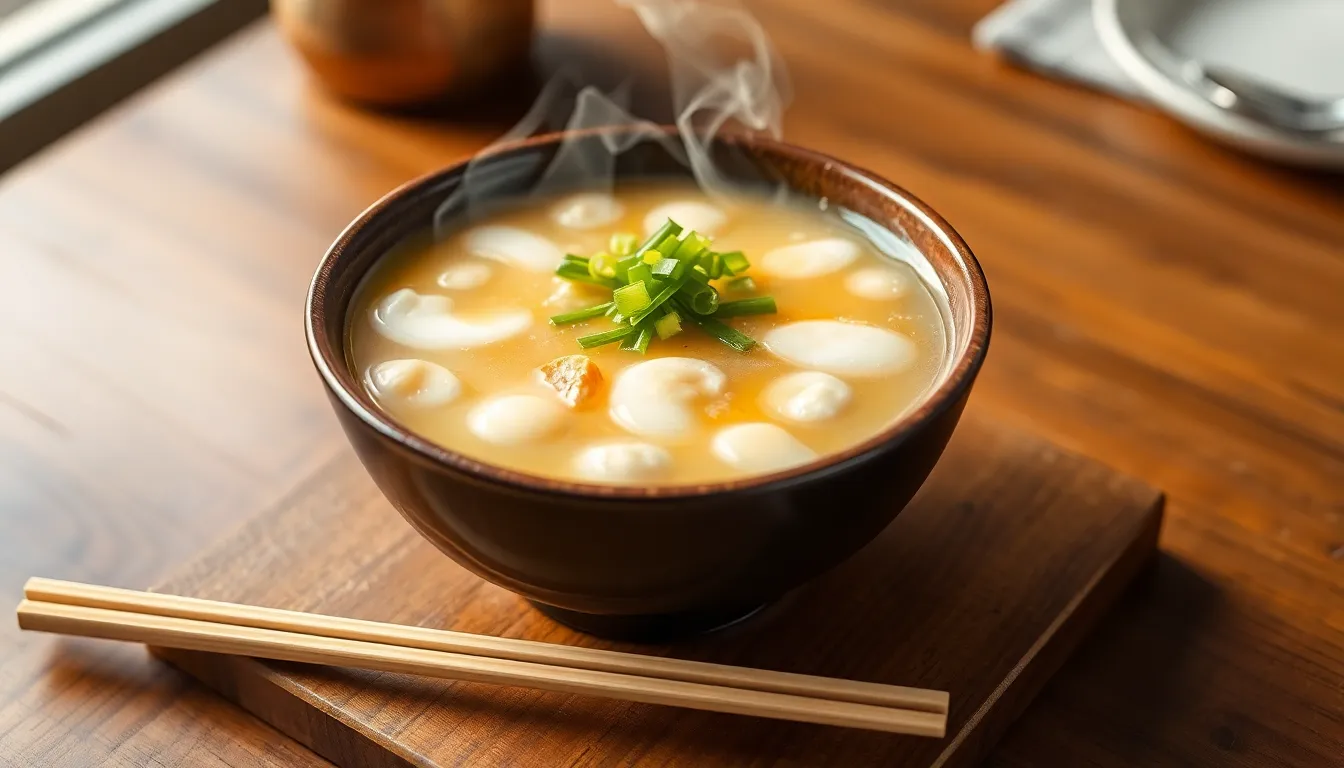
Egg drop soup delivers a variety of nutrients, making it a popular choice. The nutritional elements largely depend on the ingredients used, but general values offer insight into its composition.
Protein Content
Egg drop soup offers a moderate protein content. A standard cup typically contains about 5 grams of protein. Protein sources primarily come from the beaten eggs, which also enhance the soup’s texture. Including additional ingredients like tofu increases the protein value further, creating a satisfying dish that supports muscle maintenance and overall body function.
Fat Content
Fat content in egg drop soup remains relatively low. Generally, one cup contains around 2 to 4 grams of fat. Most of this fat comes from the eggs, which provide healthy fats alongside essential nutrients. Utilizing low-sodium chicken broth and minimizing added oils keeps the fat levels down while still ensuring flavor. Adjustments in recipe choices can lead to variations in fat content, influencing the health profile.
Carbohydrates
Carbohydrate levels in egg drop soup are minimal. A typical serving contains approximately 6 grams of carbohydrates, sourced mainly from cornstarch used for thickening. While vegetables can be added, they usually don’t significantly alter the carb count. This low carbohydrate content makes egg drop soup an appealing choice for those monitoring their intake, particularly in low-carb diets.
Caloric Breakdown
Understanding the caloric content of egg drop soup is essential for those tracking their dietary intake. The soup typically delivers a low-calorie meal option that can fit into various meal plans.
Serving Sizes
Serving sizes influence the total calorie consumption. Generally, one cup of egg drop soup contains about 60 to 80 calories. For larger portions, calorie counts increase proportionally, while smaller servings maintain a similar caloric density. Opting for half-cup servings may yield around 30 to 40 calories. When dining out, portion sizes may vary significantly, so checking with the restaurant for specific information is beneficial.
Ingredients Impacting Calories
Ingredients affect the overall calorie count in egg drop soup. Primary components, like chicken broth and eggs, contribute directly to its caloric value. Chicken broth alone typically contains 10 to 15 calories per cup. Eggs provide approximately 70 calories, adding protein and texture to the dish. Additionally, cornstarch acts as a thickener, contributing about 30 calories per tablespoon. Variations, such as adding vegetables or proteins like tofu, can slightly alter the caloric content while enhancing nutritional value.
Health Benefits
Egg drop soup offers multiple health benefits beyond its tempting flavor profile. Low in calories, it provides a satisfying option for those seeking lighter meals without sacrificing taste.
Vitamins and Minerals
Egg drop soup contains essential vitamins and minerals. It includes vitamin A and vitamin B12, crucial for maintaining good vision and energy metabolism. Additionally, the green onions contribute vitamin C, supporting immune function and skin health. Tofu, often added for protein, provides iron and calcium, necessary for bone strength and oxygen transport. Incorporating these ingredients enhances the nutrient density of the soup, making it a valuable addition to the diet.
Low-Calorie Options
One of the key attractions of egg drop soup is its low-calorie profile. With homemade versions averaging 60 to 80 calories per cup, it appeals to those mindful of their intake. Various recipes allow for customization, like using low-sodium broth or adding vegetables, which keeps the calorie count low while enhancing nutrition. This adaptability ensures that egg drop soup can fit various dietary needs, from low-carb to high-protein, maintaining its status as a health-conscious choice.
Egg drop soup stands out as a nutritious and low-calorie option that’s both satisfying and flavorful. With its average calorie count of 60 to 80 per cup it fits well into various dietary plans. The balance of protein and essential vitamins makes it a smart choice for those looking to maintain a healthy lifestyle.
Its versatility allows for easy customization whether by adding vegetables or adjusting the seasoning. This adaptability ensures that egg drop soup can cater to different tastes and nutritional needs. Embracing this delightful dish not only enhances meals but also contributes positively to overall health.