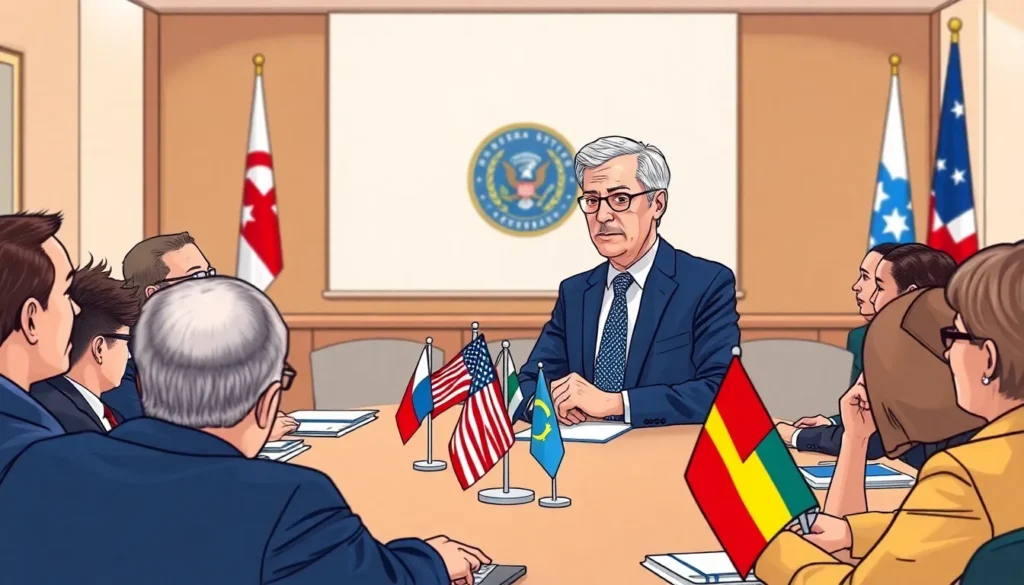
In a world where tensions can rise faster than a cat on a hot tin roof, mastering diplomatic strategy is more crucial than ever. It’s not just about shaking hands and exchanging pleasantries; it’s a high-stakes game of chess where one wrong move could lead to an international incident—or worse, a really awkward dinner party.
Overview of Diplomatic Strategy
Diplomatic strategy involves the careful planning and execution of actions to achieve national objectives while maintaining peaceful relationships. Core components include negotiation, communication, and alliance-building. Success in diplomacy relies on understanding cultural contexts and political landscapes.
Negotiation forms the backbone of diplomatic interactions. Strategies ensure that delegations find common ground while addressing key issues. Practitioners utilize various techniques, such as active listening and persuasive communication, to navigate complex discussions.
Communication plays a critical role. Effective messaging can enhance trust and clarity among nations. Proper channels help prevent misunderstandings that could escalate tensions or conflict. Maintaining transparency strengthens international relationships.
Alliance-building is essential for diplomatic strategy. Coalitions increase bargaining power on the global stage. Collaborative efforts often lead to successful outcomes in trade, security, and environmental issues. Countries frequently form strategic partnerships to address shared challenges.
Crisis management also falls under diplomatic strategy. Quick, decisive responses may alleviate potential disasters, preventing further complications. Experts emphasize the importance of preparedness, ensuring nations can act swiftly when urgent situations arise.
A strategic approach to diplomacy combines negotiation, communication, alliance-building, and crisis management. Mastery of these elements allows nations to navigate an increasingly complex world while promoting stability and cooperation.
Key Components of Diplomatic Strategy
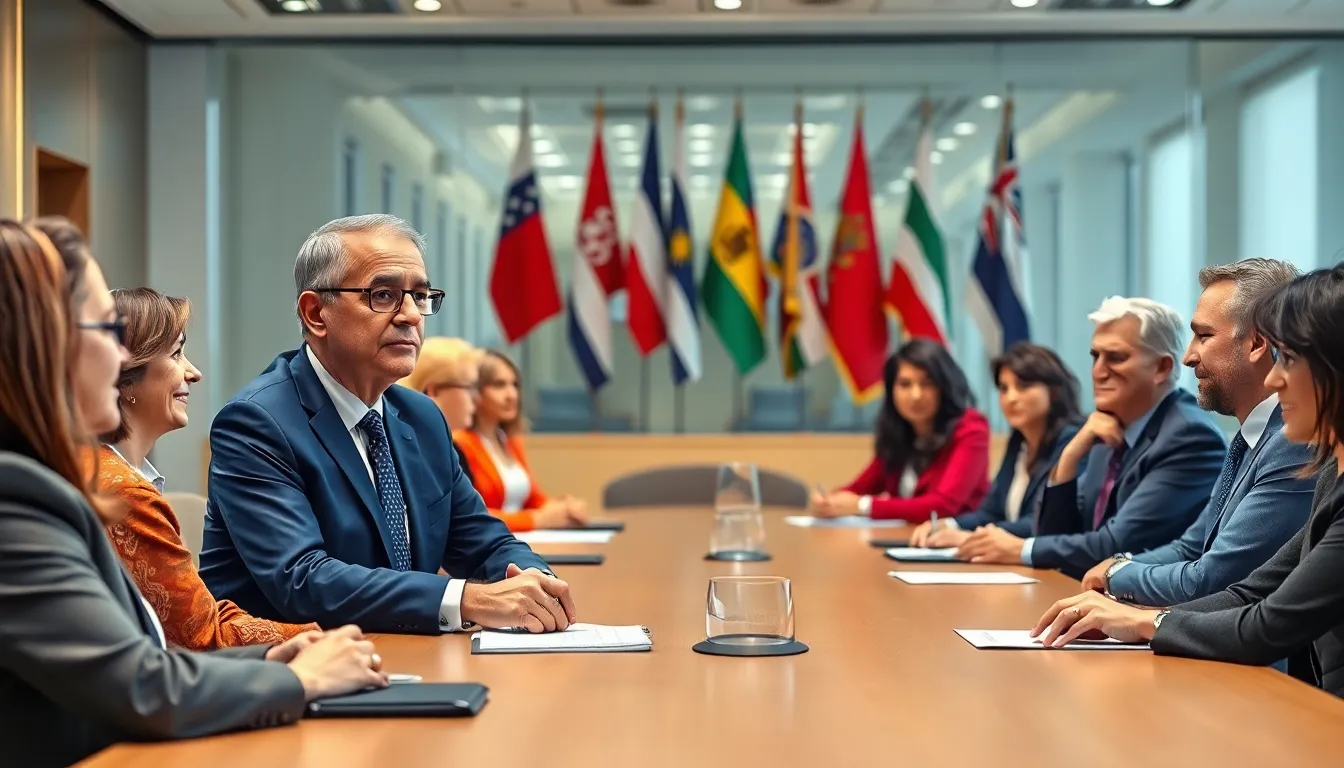
Mastering diplomatic strategy requires understanding several critical components. Objectives, goals, tools, and techniques form the foundation for effective diplomacy.
Objectives and Goals
Identifying clear objectives and goals drives diplomatic efforts. Nations often prioritize maintaining peace and stability within their regions. Establishing favorable trade agreements serves economic interests while enhancing bilateral relations. Conflict resolution remains a core goal, addressing disputes to prevent escalation. Promoting human rights and democratic values helps shape global perceptions and strengthens alliances. Each objective aligns with a nation’s broader strategic vision, ensuring cohesive diplomatic actions.
Tools and Techniques
Utilizing various tools and techniques enhances diplomatic effectiveness. Negotiation skills empower diplomats to navigate complex discussions and find common ground. Active listening fosters understanding, helping parties address concerns and challenges. Communication strategies involve leveraging media and public outreach to build support for initiatives. Digital technologies also play a role, enabling real-time engagement and information sharing. Collaboration with international organizations bolsters efforts, providing resources and legitimacy to diplomatic endeavors. Each tool contributes to a nation’s ability to achieve its strategic goals while maintaining international relations.
Historical Examples of Diplomatic Strategy
Historical events illustrate the power of diplomatic strategy in shaping global relations. Successful diplomatic efforts often led to lasting peace, while failures highlight the consequences of miscalculation.
Successful Diplomatic Strategies
The Camp David Accords exemplify effective diplomatic strategy. Signed in 1978, these agreements marked a pivotal moment in Middle Eastern peace efforts between Egypt and Israel. Another significant example is the Treaty of Westphalia, which ended the Thirty Years’ War in 1648. This treaty established the principle of state sovereignty, influencing modern international relations. The Helsinki Final Act of 1975 played a crucial role in easing Cold War tensions by promoting cooperation among Eastern and Western European nations. Notably, the Good Friday Agreement of 1998 successfully addressed long-standing conflict in Northern Ireland, showcasing the importance of negotiation and inclusivity in diplomacy.
Failed Diplomatic Strategies
The 1919 Treaty of Versailles represents a failed diplomatic strategy. Imposed harsh penalties on Germany, contributing to economic turmoil and the rise of extremism. Another example is the Munich Agreement of 1938, which aimed to appease Adolf Hitler but ultimately led to World War II. The failure of the League of Nations further illustrates ineffective diplomatic efforts, as it couldn’t prevent aggression from totalitarian regimes. Additionally, the 2003 invasion of Iraq, justified by flawed intelligence, disrupted regional stability and created lasting conflict. These examples underscore the importance of understanding historical contexts and the potential for unintended consequences in diplomatic actions.
The Role of Technology in Diplomatic Strategy
Technology plays an essential role in shaping diplomatic strategy. Digital tools enhance communication and negotiation, allowing diplomats to engage in real-time discussions across the globe. Social media platforms facilitate the rapid dissemination of information, enabling nations to respond quickly to emerging situations.
Data analytics empowers diplomats by providing insights into public opinion and international trends. By analyzing large datasets, nations can tailor their strategies to meet specific needs and address critical issues effectively. Cybersecurity also remains a top priority, protecting sensitive information during negotiations and maintaining the integrity of diplomatic communications.
Artificial intelligence (AI) contributes significantly by streamlining processes. AI algorithms assist in analyzing historical data, predicting conflict zones, and evaluating the potential impact of diplomatic actions. This predictive capability aids diplomats in making informed decisions aligned with national objectives.
Digital diplomacy has introduced a new dimension to traditional diplomatic approaches. Virtual conferences and webinars allow for inclusive discussions that transcend geographical barriers. Nations benefit from engaging various stakeholders, including non-governmental organizations and civil society groups, fostering collaboration on pressing global challenges.
Mobile technology accelerates communication and coordination among diplomatic teams. Instant messaging applications enable quick exchanges, ensuring responses to crises remain timely and effective. Furthermore, online platforms help cultivate relationships beyond formal settings, enhancing trust and understanding between nations.
As technology continues evolving, its influence on diplomatic strategy will likely increase. Nations that harness these tools effectively are better positioned to navigate complex international landscapes. Enhancements in communication, analysis, and relationship-building solidify the importance of technology in modern diplomacy.
Future Trends in Diplomatic Strategy
Future trends in diplomatic strategy indicate a shift toward more fluid and adaptable approaches. Flexibility becomes crucial as global political landscapes evolve rapidly. Emerging powers play a significant role in reshaping traditional alliances and balance dynamics. Nations increasingly rely on multilateralism to address complex global challenges, including climate change and pandemics.
Technology influences diplomatic strategy profoundly. Artificial intelligence analyzes large data sets, helping diplomats forecast potential crises and optimize responses. Remote negotiations gained popularity during global disruptions, highlighting the effectiveness of virtual platforms. These platforms enhance accessibility, allowing diverse voices to contribute to critical discussions.
Sustainability also emerges as a key focus. Diplomats prioritize environmental agreements, recognizing interconnected global issues. Initiatives like the Paris Agreement underscore international commitment to address climate change collectively. Also, creating partnerships that promote sustainable development fosters a collaborative environment for addressing shared challenges.
Public diplomacy has gained prominence. Nations engage citizens through transparent communication and grassroots involvement. Engagement fosters a deeper understanding of cultural nuances, enhancing bilateral relationships. Storytelling serves as a powerful tool in creating empathy and commitment to shared values.
Additionally, cybersecurity remains a priority. Protecting sensitive information during negotiations becomes essential. Strategies evolve to safeguard digital communication channels, reducing vulnerabilities associated with technological advancements. Increased collaboration among nations further amplifies efforts to bolster cyber resilience.
Shifts in diplomatic paradigms reflect a broader trend towards inclusivity. Marginalized groups advocate for representation in diplomatic discussions, ensuring diverse perspectives inform decision-making. As these trends unfold, nations that adapt effectively will navigate the increasingly complex international landscape.
Mastering diplomatic strategy is essential for navigating the complexities of today’s global landscape. As nations face unprecedented challenges and opportunities, the ability to negotiate effectively and build alliances becomes paramount. Emphasizing communication and crisis management ensures that countries can respond swiftly to emerging situations while maintaining their objectives.
The integration of technology continues to redefine how diplomacy is practiced, making real-time engagement and data-driven decision-making vital. As the diplomatic arena evolves, adapting strategies to include diverse perspectives and sustainable practices will be crucial. By prioritizing these elements, nations can enhance their diplomatic efforts, fostering peace and cooperation in an interconnected world.